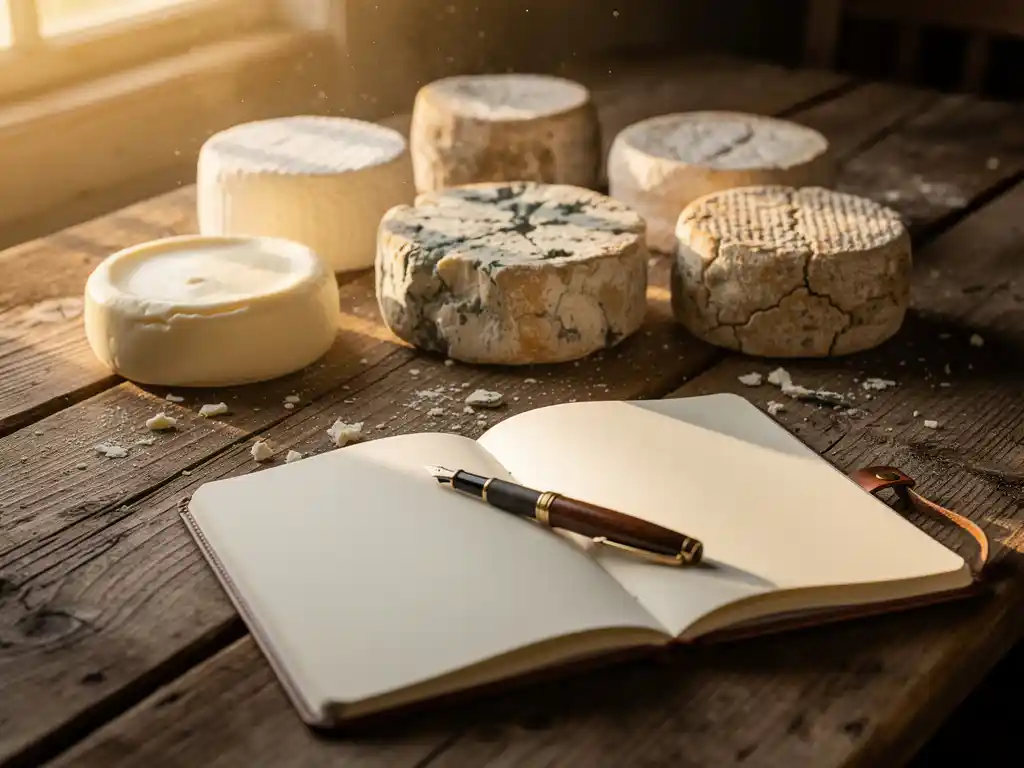
As a buyer in the food industry, you know that choosing the right goat cheese producer is crucial for your production quality. The selection process begins with a well-thought-out longlist, but how do you compile this effectively? In this article, we discuss step by step how to create a strategic longlist of goat cheese producers that perfectly align with your industrial needs.
What is a longlist and why is it important when selecting goat cheese producers?
A longlist is a comprehensive list of potential goat cheese producers that meet your basic requirements for industrial processing. This list forms the first step in a structured selection process where you systematically inventory all possible suppliers before proceeding to detailed evaluation.
For the food industry, a longlist is essential because it helps you objectively compare between different producers. This prevents you from overlooking important suppliers or choosing too quickly for the first available option. A well-compiled longlist gives you market overview and ensures you base decisions on complete information.
Creating a longlist saves you time and costs in the long term. By clarifying in advance which producers are suitable for your specific applications, you avoid costly testing phases with unsuitable suppliers. Moreover, you create a systematic process that you can repeat when you want to expand or replace your supplier base.
Which criteria are essential for goat cheese producers in the food industry?
The most important criteria for industrial goat cheese producers are production capacity, quality certifications, technical specifications of the cheese, delivery reliability, and flexibility in packaging formats. These five factors determine whether a producer is suitable for large-scale industrial processing.
Production capacity tops the list because your supplier must be able to consistently deliver large volumes. Consider minimum order sizes, pallet configurations, and the ability to scale up production. A producer that can deliver fresh goat cheese in industrial packaging of 2.6 kg or 15 kg, for example, is better suited than a producer that only produces consumer packaging.
Quality certifications such as IFS Food, BRC, or FSSC 22000 are indispensable for the food industry. These certifications guarantee that the producer meets international food safety standards. Additional certifications such as Halal, Kosher, or organic may be relevant depending on your end products. Also pay attention to specific industry certifications such as DGZK for sustainable goat dairy.
Technical specifications determine whether the goat cheese is suitable for your production processes. Important parameters are:
- Melting behavior and heating stability for hot applications
- Fat content and dry matter percentage for consistent end products
- pH value and salt content for shelf life
- Freeze resistance for longer storage
- Structure and processability (pumpable, stirrable, sliceable)
How do you find reliable goat cheese producers for industrial applications?
Start your search for goat cheese producers through industry organizations such as the Dutch Dairy Organization (NZO), trade fairs such as Anuga or SIAL, and industrial supplier platforms. These sources provide access to established producers with experience in business-to-business deliveries.
Trade fairs are particularly valuable because you can speak directly with producers and taste product samples. Plan visits to fairs such as Food Ingredients Europe or national dairy fairs. Prepare your visit by making a list of stands you want to visit and ask targeted questions about industrial applications.
Online research via supplier platforms and company databases helps you find producers you might miss at fairs. Search specifically for producers who mention industrial packaging on their website or who have references from other food producers. Always check if they have experience with your type of application, for example pizza production or ready meals.
Ask colleagues in the industry about their experiences with goat cheese producers. This networking often yields valuable inside information about delivery reliability and service level that you won’t find in brochures. LinkedIn groups for food professionals can also provide useful contacts.
What is the difference between artisanal and industrial goat cheese producers?
Industrial goat cheese producers distinguish themselves from artisanal producers through their large-scale production capacity, standardized processes, industrial packaging options, and technical support for processing applications. Artisanal producers, on the other hand, focus on small-scale, traditional production for direct consumption.
The main difference lies in scale and consistency. Industrial producers work with automated production lines that can process tons of cheese daily with exact specifications. They invest in technology that ensures constant quality between batches, essential for industrial processors who cannot vary in their end product.
Packaging options differ drastically between both types. Industrial producers offer:
- Bulk packaging from 5 to 15 kg for efficient processing
- Modified Atmosphere Packaging for extended shelf life
- Freeze-resistant packaging for long-term storage
- Specific formats such as blocks, crumbles, or liquid variants
Technical support is a core competency of industrial producers. They employ food technologists who can advise on applications, recipe development, and process optimization. This expertise is crucial when you want to integrate goat cheese into complex production processes or develop new products.
How do you evaluate the quality and consistency of goat cheese producers?
Evaluate goat cheese producers by analyzing technical specifications, conducting reference visits, performing extensive production tests, and requesting historical quality data. This four-step approach gives you a complete picture of the reliability and consistency of a producer.
Start by requesting detailed product specifications and tolerances. A professional producer can provide exact ranges for parameters such as fat content, moisture, pH, and microbiological values. Ask specifically about the standard deviation between batches; the smaller this is, the more consistent the producer.
Conduct practical tests with different batches over a period of at least three months. Test not only the cheese itself, but also how it behaves in your production process. Measure critical points such as:
- Melting behavior at different temperatures
- Stability during mixing and pumping
- Shelf life in your end product
- Sensory properties after processing
Request quality reports from the past 12 months and analyze trends. Pay attention to deviations, complaints, and how these were resolved. A transparent producer gladly shares this information and can explain what improvements have been implemented. Also check if they have a robust quality management system with regular audits.
Which pitfalls should you avoid when creating a longlist for cheese producers?
The biggest pitfalls when creating a longlist are focusing too quickly on price, insufficient attention to logistical capabilities, ignoring financial stability, not accounting for future growth, and skipping compliance checks. These mistakes can lead to costly problems in your production chain.
Price as the first selection criterion is tempting but dangerous. Cheap goat cheese can result in higher total costs due to inconsistent quality, production loss, or complaints from end users. Focus first on quality and reliability, then on price. A slightly more expensive but consistent producer ultimately saves you money.
Logistical capabilities are often underestimated. Check if producers can deliver according to your schedule, including:
- Minimum and maximum order sizes that fit your needs
- Delivery times and flexibility for rush orders
- Track record of on-time delivery
- Contingency planning for disruptions
Financial stability of producers is crucial for long-term security. Request credit reports and check if they invest in their production capacity. A financially healthy producer can grow with your needs and invest in the specific solutions you require.
How DeJong Cheese helps with selecting the right goat cheese producer
As a traditional family business with more than 30 years of experience, we at DeJong Cheese understand the challenges of buyers in the food industry. Our specialization in goat cheese for industrial processing makes us a reliable partner who thinks beyond just delivering.
What distinguishes us for your longlist:
- Extensive industrial range: from fresh goat cheese logs (2.6 kg) to freeze-resistant curd (15 kg)
- Proven consistency through traditional recipes and modern quality control
- IFS Food certification and full EC accreditation for guaranteed food safety
- Flexible packaging options including Modified Atmosphere Packaging
- Technical support for product development and process optimization
- Sustainable production with 100% DGZK-certified milk suppliers
We invite you to include DeJong Cheese in your longlist. Request product samples via our foodservice page or contact us directly for a personal conversation about your specific needs. Also discover our sales points for smaller test orders or visit our website for our complete industrial range.
Veelgestelde vragen
How many producers should I include in my longlist for goat cheese?
An effective longlist for industrial goat cheese producers ideally contains 8-12 candidates. This number is large enough to have sufficient choice, but manageable for thorough evaluation. Start broadly with 15-20 producers and filter these back to the most promising options based on your must-have criteria such as production capacity and certifications.
What is the best way to test product samples for industrial processing?
Always test product samples in your own production environment with your specific equipment and processes. Request at least 3 batches spread over different production weeks to assess consistency. Carefully document behavior during heating, mixing and storage, and involve your production team in the evaluation for practical insights.
How do I negotiate prices with goat cheese producers without sacrificing quality?
Focus negotiations on volume discounts, long-term contracts and efficiency improvements instead of pure price reduction. Discuss possibilities such as larger packaging units, direct delivery from production or joint inventory planning. Also ask about seasonal contracts when milk production is higher, this can achieve 10-15% cost savings without quality loss.
What red flags should I look for when screening goat cheese producers?
Watch for producers who offer no transparency about their milk suppliers, have varying delivery times, or cannot guarantee technical specifications. Also be cautious of companies without a track record in industrial deliveries, missing certifications, or who are unwilling to invest in specific solutions for your application. A lack of references from other industrial customers is also a warning signal.
How often should I update my longlist of goat cheese producers?
Evaluate your longlist annually and update it thoroughly every 2-3 years. Add new producers in the interim when you encounter them at fairs or through recommendations. Actively monitor market changes such as mergers, new certifications or capacity expansions at existing producers. An up-to-date longlist ensures you can quickly switch during delivery problems or growing production needs.
Should I choose one large producer or multiple smaller suppliers?
The ideal strategy combines one main supplier (70-80% volume) with 1-2 backup suppliers for risk distribution. A large producer offers economies of scale and consistency, while smaller suppliers can offer flexibility and innovation. Ensure all suppliers maintain the same quality standards and regularly test whether backup suppliers still meet your requirements.
Gerelateerde artikelen
- Wat zijn de stappen bij het formeel beëindigen van een leverancierscontract?
- Wat zijn de belangrijkste technische parameters bij de keuze van industriële geitenkaas?
- Hoe test je houdbaarheid van een nieuw geitenkaasconcept in de praktijk?
- Hoe onderhandel je over volumekortingen bij de inkoop van geitenkaas pucks?
- Hoe werk je samen met een geitenkaasproducent aan de ontwikkeling van nieuwe pizza-ingrediënten?