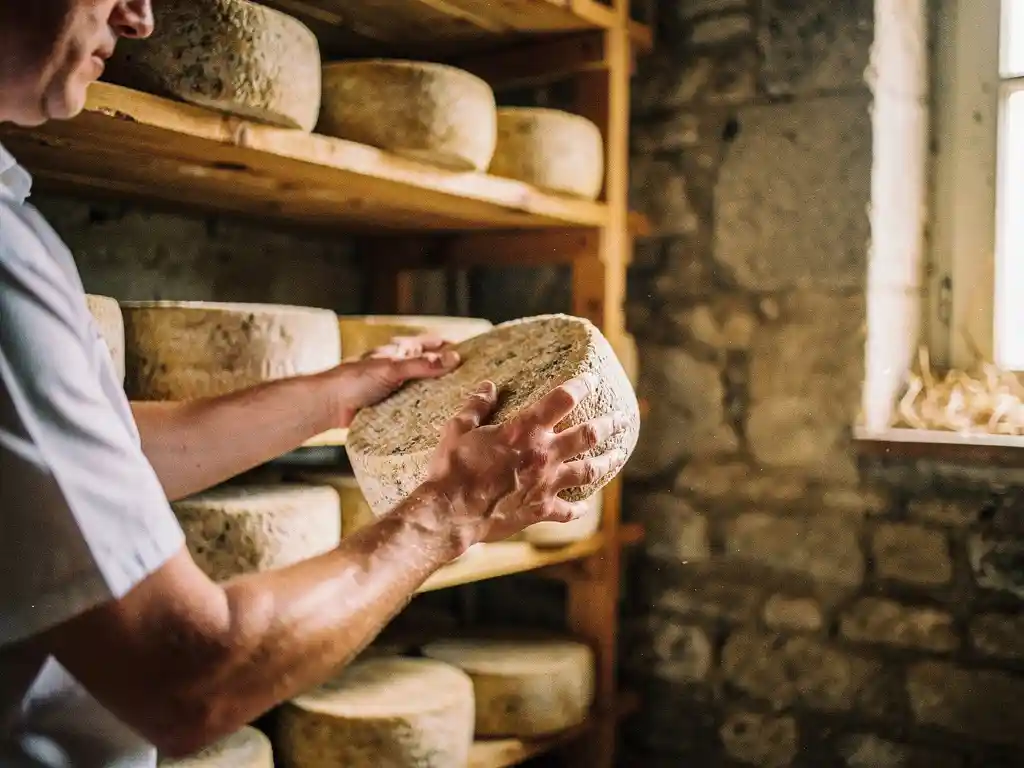
Selecting a new cheese supplier can be a time-consuming process that takes weeks or even months. For buyers in the food industry, this means valuable time not spent on other important tasks. By streamlining the selection process and asking the right questions, you can reach an informed decision faster without compromising on quality or reliability.
Why does selecting a cheese supplier often take so long?
The selection process for a cheese supplier takes an average of three to six months because companies must evaluate multiple suppliers on quality, price, delivery reliability, and certifications. This includes trial orders, reference checks, negotiations, and completing compliance procedures.
The complexity of the food industry contributes to this long lead time. Suppliers must comply with strict food safety standards such as IFS Food certification and HACCP protocols. Additionally, each new supplier requires a thorough audit of production processes, traceability systems, and quality controls. For specific products like fresh goat cheese or aged goat cheese, additional technical specifications come into play, such as melting behavior for pizza applications or shelf life for retail.
Evaluating samples also takes considerable time. Production lines often need to be adjusted to test new cheese varieties, which requires planning and coordination between different departments. In industrial applications, the cheese must not only taste good but also perform consistently under various processing conditions.
What criteria are most important when choosing a cheese supplier?
The five most important criteria when choosing a cheese supplier are: consistent product quality, delivery reliability, competitive pricing, relevant certifications, and volume flexibility. These factors determine whether a supplier can meet your operational needs and quality requirements.
Consistent quality tops the list because fluctuations in cheese specifications can disrupt production processes. For industrial processors, technical properties like fat content, moisture percentage, and pH value are crucial. A supplier delivering goat cheese slices for sandwich production must, for example, guarantee exactly the same thickness and weight with every delivery.
Delivery reliability is essential to prevent production downtime. This means not only delivering on time but also being able to scale up during peak demand and having contingency plans for supply chain disruptions. Certifications like IFS Food, BRC, or FSSC 22000 are non-negotiable for many food producers. For specific markets, additional certifications like Halal, Kosher, or organic may be required.
Flexibility in order size and delivery frequency is becoming increasingly important in a market demanding just-in-time delivery and seasonal variations. A good supplier can deliver both large volumes for mass production and smaller batches for specialty lines.
How can you accelerate the cheese supplier evaluation process?
The evaluation process can be shortened by 50% by establishing clear selection criteria upfront, screening multiple suppliers simultaneously, and using standardized evaluation forms. Start with a shortlist of maximum five suppliers that meet your basic requirements.
Develop a structured approach with these steps:
- Create a checklist with knockout criteria such as minimum production capacity, required certifications, and geographical coverage
- Ask all potential suppliers simultaneously for the same information and samples
- Schedule trial deliveries within a fixed timeframe of two weeks
- Involve key stakeholders from the beginning in the evaluation to prevent later delays
- Use scorecards to objectively compare suppliers on predetermined criteria
Digital tools can further accelerate the process. Use supplier portals for document exchange, virtual audits for initial screening, and automated compliance checks. For products like spreadable goat cheese or goat cheese balls, you can share technical specifications digitally upfront, allowing suppliers to immediately indicate whether they can meet your requirements.
What is the difference between direct suppliers and cheese traders?
Direct suppliers are cheese producers who deliver directly from their production location, while traders act as intermediaries between producers and customers. Direct suppliers usually offer better prices and direct control over production processes, while traders offer a broader assortment and more flexible delivery options.
Direct suppliers like cheese dairies have complete control over the production process, from milk receipt to final product. This means they can accommodate specific customer requirements, such as customized recipes or packaging formats. They can respond directly to quality questions and have shorter lead times for custom orders. Traceability is optimal because there are no links in between.
Traders bundle products from different producers and can therefore offer a more complete assortment. They are ideal when you need different cheese varieties from different origins but prefer to work with one supplier. Traders often have better logistics networks and can deliver smaller orders economically. The disadvantage is that they have less influence on production processes and may charge higher prices due to their margin.
For large volumes of specific products like goat cheese discs for industrial processing, a direct supplier is usually more advantageous. For a varied assortment or when flexibility is more important than the lowest price, a trader may be the better choice.
What questions should you ask during the first conversation with a potential cheese supplier?
The most important questions during an initial conversation are: production capacity and lead times, quality certifications, minimum order sizes, pricing structure and volume discounts, technical product specifications, and customization possibilities. These questions help quickly determine if a supplier fits your needs.
Start with basic operational questions:
- What is your current production capacity and how much of it is available for new customers?
- What lead times do you maintain for standard orders and rush deliveries?
- What are your minimum order sizes per product type?
- How flexible are you with delivery frequencies and order variations?
Then ask about quality and compliance:
- What certifications does your production facility have (IFS, BRC, FSSC)?
- How do you ensure consistent product quality between batches?
- What traceability systems do you use?
- How do you handle complaints and recalls?
For technical applications, specific questions are essential. For fresh goat cheese for pizza production, you ask about melting behavior, fat content, and moisture percentage. For retail applications, shelf life and packaging options are more important. Also ask about innovation possibilities and willingness to collaborate on new product developments.
How do you avoid common mistakes when selecting a cheese supplier?
The most common mistakes are: selecting purely on price, insufficient reference checking, not agreeing on a trial period, not reading contract terms carefully, and neglecting backup suppliers. These mistakes can lead to production problems, quality issues, and unexpected costs.
Price as the sole criterion is the biggest pitfall. A supplier that is 10% cheaper but regularly delivers late or offers inconsistent quality ultimately costs more through production downtime and complaints. Calculate the total cost of ownership including quality controls, waste from rejection, and possible production losses.
Reference checks are often skipped due to time constraints but are crucial for insight into a supplier’s reliability. Ask specifically about experiences with delivery reliability, problem-solving, and flexibility. Check at least three references from similar industries.
Always start with a trial period of three to six months before signing long-term contracts. This gives both parties time to evaluate the collaboration. Pay extra attention to consistency in quality and service during this period. Document all findings for an objective final evaluation.
Contract terms often contain details that can cause problems later. Pay specific attention to price adjustment clauses, delivery conditions, liability, and termination periods. For products like aged goat cheese, shelf life guarantees and return conditions are especially important.
How DeJong Cheese helps accelerate your selection process
We understand that time is valuable in your selection process. That’s why we have optimized our approach to quickly provide you with the information you need for an informed decision.
Our transparent approach saves you time:
- Direct insight into our complete range of fresh and aged goat cheese specialties
- All certifications (IFS Food, EC accreditation, Halal, Kosher) immediately available
- Technical specifications for industrial applications within 24 hours
- Trial samples of goat cheese slices, spreadable goat cheese, and other variants within one week
- Flexible order sizes from small test volumes to full pallet loads
- Personal account manager who understands your industrial needs
With 30 years of experience and an extensive network of goat milk suppliers within 100 kilometers, we can guarantee consistent quality and delivery reliability. Whether you’re looking for fresh goat cheese for your production lines or specialized solutions like high-melt variants for pizza applications, we’re happy to collaborate with you.
Shorten your selection process and experience the difference of working with a family business that combines tradition with modern efficiency. Contact us for a no-obligation conversation or visit our product page for more information about our complete range. Also discover our sales points or go directly to our homepage for the latest news about our goat cheese specialties.
Veelgestelde vragen
What are the costs of switching cheese suppliers that are often overlooked?
Besides direct costs such as new contract negotiations and trial samples, there are hidden costs such as resetting production processes, training staff on new product specifications, possible adjustments in recipes, and the risk of temporary quality variations during the transition period. These can amount to 15-20% of your annual cheese purchasing.
How can I objectively compare goat cheese quality between different suppliers?
Develop a standardized testing protocol with measurable parameters such as pH value, fat content, moisture percentage, and microbiological values. Also test functional properties relevant to your application, such as melting behavior at specific temperatures or stability in your end product. Perform these tests under identical conditions and document all results in a comparison matrix.
What red flags should I look for during supplier audits?
Watch for inconsistent temperature recordings in cold storage, missing or expired calibrations of measuring equipment, inadequate traceability systems where batches cannot be traced within 4 hours, and staff turnover in quality departments. Also, reluctance to share complaint statistics or the absence of a clear recall protocol are warning signs.
How do I negotiate prices effectively without damaging the relationship with my supplier?
Focus on mutual value creation by offering long-term contracts in exchange for better prices, discuss volume bonuses with growth, and explore process optimization opportunities that reduce costs for both parties. Be transparent about your budget constraints and ask about alternative product specifications that are cheaper but still meet your quality requirements.
When is it wise to work with multiple cheese suppliers simultaneously?
Work with multiple suppliers when your annual volume exceeds 100 tons, for critical products where supply chain interruption has major consequences, or when you need specific specialties that one supplier cannot deliver. The ideal distribution is 70% with your main supplier and 30% with a backup supplier, with both suppliers aware of this strategy.
How do I implement a new cheese supplier without disrupting my production?
Start with a phased implementation where you first transfer 10-20% of your volume, evaluate all KPIs such as product quality and delivery reliability after one month, adjust production processes if necessary, and gradually increase volume over a period of three months. Plan the transition outside your peak season and maintain sufficient safety stock from your current supplier.
Gerelateerde artikelen
- Hoe ontwikkel je een fenugreek- of kruidenvariant binnen het Alphenaer-assortiment?
- Wat zijn de voordelen van een leverancier met eigen productiefaciliteiten?
- Hoe beïnvloedt het rijpingsproces van gerijpte geitenkaas de smaak in een eindproduct?
- Hoe zorg je voor continuïteit in de levering van geitenkaas spread bij seizoensschommelingen?
- Hoe lang zijn geitenkaas crumbles houdbaar voor industriële verwerking?